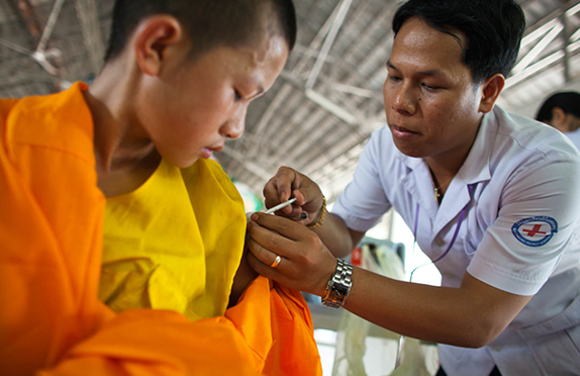
That year, the U.S. Centers for Disease Control and Prevention (CDC), the World Health Organization (WHO), the Government of Lao PDR, Walgreens, and UPS partnered to deliver 350,000 influenza vaccine doses to Lao PDR. The effort demonstrated that vaccine introduction could do more than protect people from seasonal influenza, it could strengthen health systems, build local capacity, and create a foundation for future preparedness.
Building on this success, we officially launched in 2013 as the Partnership for Influenza Vaccine Introduction (PIVI) as part of The Task Force for Global Health with support from the CDC and the Gates Foundation. PIVI worked alongside low- and middle-income countries to establish sustainable influenza vaccination programs while strengthening the infrastructure, workforce, and delivery systems needed to respond to future public health threats.
Over the next several years, PIVI expanded its reach across multiple regions, providing technical assistance, policy support, program design, and vaccine delivery. Through this work, a clear pattern emerged: countries with established vaccination systems were often better prepared to respond when new health threats arose.
The COVID-19 pandemic reinforced these learnings. As countries raced to deploy COVID-19 vaccines, those with existing influenza vaccination infrastructure were often able to respond more quickly and effectively. In response, PIVI expanded its work beyond influenza, helping countries strengthen broader vaccine delivery systems and preparedness efforts.
As its mission grew, so did its identity. In 2023, the organization transitioned from the Partnership for Influenza Vaccine Introduction to the Partnership for International Vaccine Initiatives, retaining the PIVI acronym while reflecting a broader commitment to immunization systems strengthening, pandemic preparedness, and global health security.
Today, PIVI’s work extends beyond influenza. With additional support from CDC’s Global Immunization Division, PIVI continues to expand into new vaccine areas, including epidemic vaccines such as measles and cholera, maternal immunization (e.g., RSV), and other priority vaccines such as malaria, and tuberculosis. At the same time, complementary initiatives like SONAR (Strengthening Outbreak Notification and Response) have added a disease surveillance dimension to the portfolio, further strengthening preparedness capabilities, and end-to-end support for partner countries. PIVI’s NITAG Support Unit has provided support to countries in making evidence-based recommendations for vaccines to strengthen vaccine policy and programs.
Now unified under a single PIVI umbrella, the organization continues to partner with countries, global health leaders, and technical experts to strengthen the systems needed to detect, prevent, and respond to public health threats—helping build a healthier and more prepared future for communities around the world.
Explore the milestones that have shaped PIVI since our founding.

Influenza vaccine partnership in Lao PDR demonstrates the power of pairing vaccine access with tailored technical assistance—leaving a strong and more stable system.
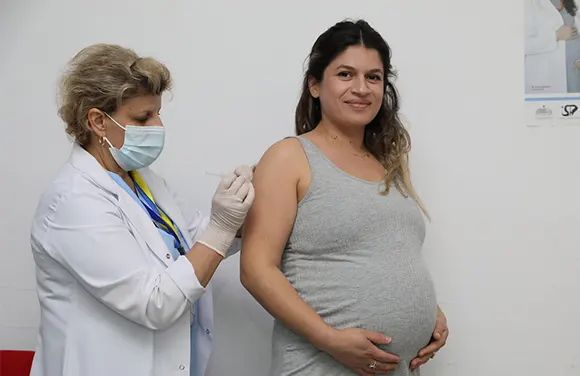
The Partnership for Influenza Vaccine Introduction was established at The Task Force for Global Health. PIVI’s model focused on vaccine donation, coordinating strategy and technical support, while country, funding, and technical partners worked together to develop and implement sustainable influenza vaccination programs.
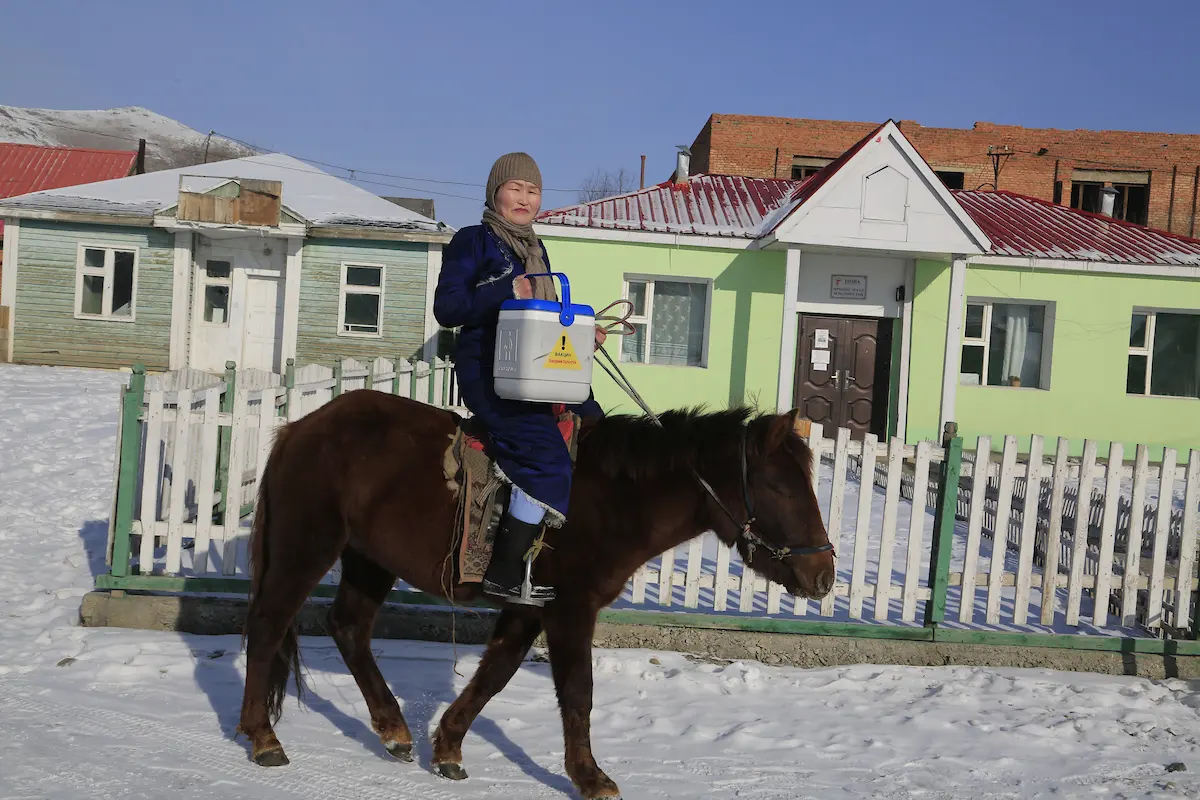
PIVI helps countries strengthen vaccination programs, workforce capacity, and immunization systems.
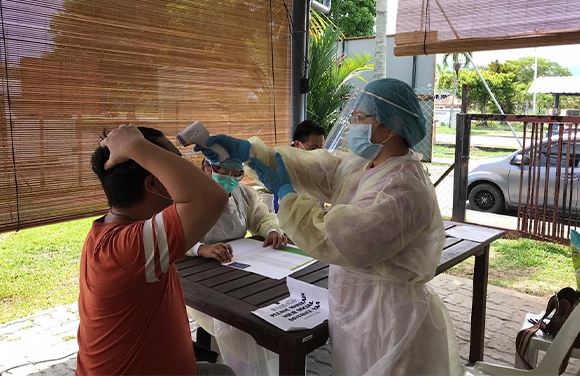
The pandemic highlights the critical role of strong vaccination systems in emergency response.
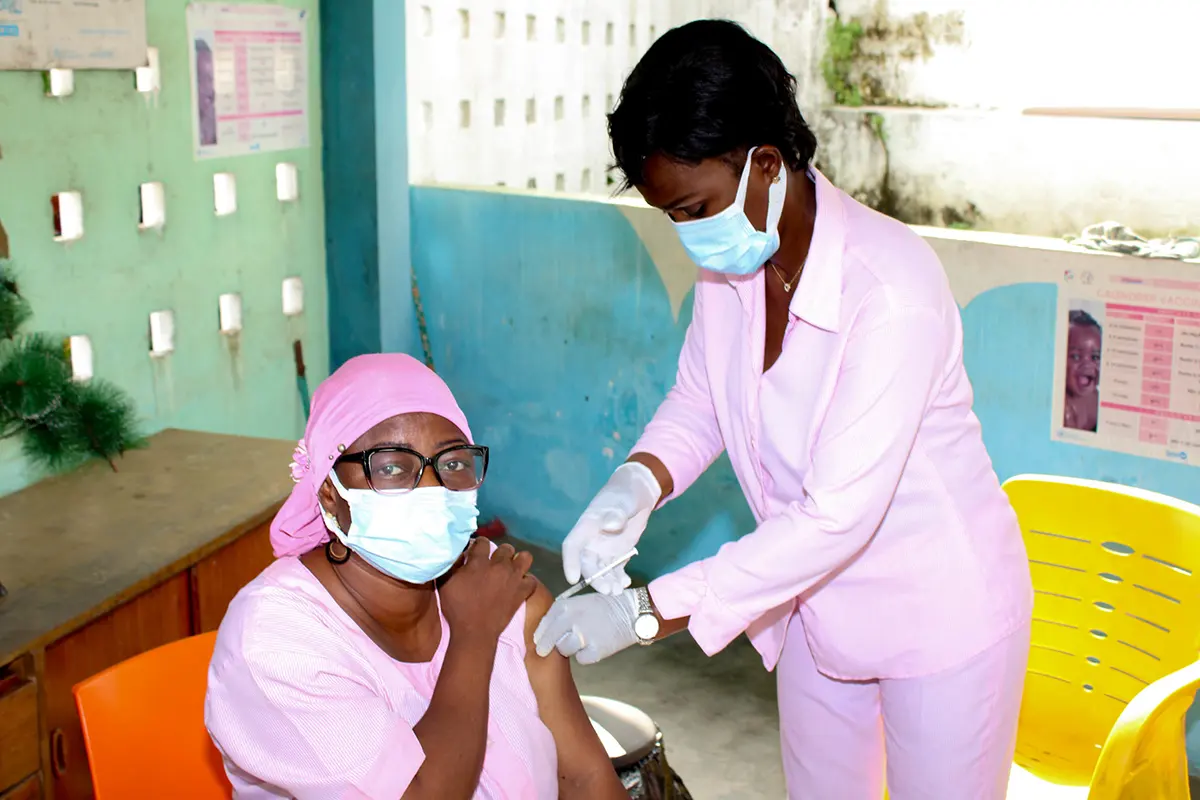
PIVI expands its work based on its successful country model to support COVID-19 vaccine implementation and preparedness efforts.
As our work evolved over the past decade, we consolidated multiple initiatives under a single, unified brand and mission, making us better prepared to address the health goals of our country partners.